contact@pagerh.com

Comprehensive Guide to Heart Health & Cardiovascular Care
Medical Disclaimer: This article is for informational purposes only and does not constitute medical advice. Always consult with a qualified healthcare professional for any health concerns or before making any decisions related to your health or treatment.
The human heart is an astonishing organ, a relentless powerhouse that works tirelessly every second of every day to sustain life. More than just a symbol of love, the heart is the intricate engine of your circulatory system, pumping life-giving blood to every cell, tissue, and organ in your body. Without a healthy heart, the body's essential functions fail, some almost instantly. Understanding how this vital organ functions and, more importantly, how to protect its health is paramount to a long and vibrant life. This comprehensive guide will delve into the anatomy and physiology of the heart, explore common heart-related conditions, and provide actionable strategies for maintaining optimal heart health.
The Heart: Your Body's Master Pump
Your heart is a muscular organ, roughly the size of your fist, nestled in the center of your chest, slightly to the left, behind your breastbone. Over an average lifetime, it will beat approximately 2.5 billion times, circulating millions of gallons of blood throughout your body. This steady flow delivers oxygen, nutrients, hormones, and other vital compounds, while simultaneously whisking away waste products. Its efficiency and durability are truly remarkable, but it is also a delicate system that requires care and attention.
Anatomy of the Heart
To perform its immense workload, the heart is structured with remarkable precision, featuring specialized layers, chambers, valves, and associated major blood vessels:
-
Layers of the Heart: The heart itself is composed of three main layers. The outermost layer is the pericardium, a double-layered sac filled with a small amount of fluid that encases the heart, providing protection, anchoring it to its surroundings, and reducing friction as it beats. The middle, thickest layer is the myocardium, which is the specialized cardiac muscle tissue responsible for the heart's powerful, involuntary contractions. This muscular pumping action is what propels blood through the body. The innermost layer, lining the heart's chambers and valves, is the smooth and thin endocardium, ensuring blood flows freely without sticking to the walls and preventing clotting within the heart.
-
Heart Chambers: The heart is ingeniously divided into four distinct chambers, acting as interconnected pumps. The two upper chambers are called the atria (singular: atrium), which act as receiving areas for blood returning to the heart. The two lower, more muscular chambers are the ventricles, responsible for pumping blood out of the heart.
- The right atrium receives deoxygenated blood (blood depleted of oxygen and rich in carbon dioxide) from the body via the superior and inferior vena cava (the body's largest veins).
- The right ventricle pumps this deoxygenated blood to the lungs through the pulmonary artery to pick up oxygen and release carbon dioxide.
- The left atrium receives oxygenated blood from the lungs via the pulmonary veins.
- The left ventricle is the strongest and thickest chamber, as it must generate enough force to pump oxygen-rich blood to the entire rest of the body through the aorta, the body's largest artery.
-
Heart Valves: Four crucial heart valves act as one-way gates, ensuring that blood flows in the correct direction through the chambers and out of the heart, preventing any backflow that would compromise efficiency.
- The tricuspid valve is located between the right atrium and right ventricle.
- The pulmonary valve is situated between the right ventricle and the pulmonary artery.
- The mitral (bicuspid) valve is found between the left atrium and left ventricle.
- The aortic valve is positioned between the left ventricle and the aorta.
-
Major Blood Vessels: The heart is the central pump of the circulatory system, a vast and intricate network of blood vessels that stretch over 60,000 miles in an adult.
- Arteries: These thick, muscular vessels carry oxygenated blood away from the heart to the body (e.g., aorta, systemic arteries). The only exception is the pulmonary arteries, which carry deoxygenated blood from the heart to the lungs.
- Veins: These vessels, typically thinner-walled than arteries, carry deoxygenated blood back to the heart from the body (e.g., vena cava, systemic veins). The pulmonary veins are the exception, carrying oxygenated blood from the lungs back to the heart.
- Capillaries: These are microscopic, thin-walled vessels that connect arteries and veins. It is at the capillary level where the vital exchange of oxygen, nutrients, and waste products occurs between the blood and the body's cells.
How the Heart Works: The Cardiac Cycle and Electrical System
The heart's rhythmic pumping action, known as the cardiac cycle, is a highly coordinated two-phase process that accounts for each heartbeat:
- Diastole (Relaxation and Filling): During this phase, the atria and ventricles relax, allowing blood to flow into them from the body and lungs.
- Systole (Contraction and Pumping): During this phase, the atria contract, pushing blood into the ventricles, followed by the powerful contraction of the ventricles, which propels blood out of the heart to the lungs and the rest of the body.
This precise and synchronized action is not spontaneous but meticulously controlled by the heart's remarkable electrical system, also known as the cardiac conduction system. This system generates and transmits electrical impulses that cause the heart muscle to contract in a perfect sequence.
- The impulse typically begins in the sinoatrial (SA) node, often called the heart's natural pacemaker, located in the wall of the right atrium. The SA node spontaneously generates electrical signals at a rate of approximately 60 to 100 times per minute in a resting adult, determining your heart rate.
- The electrical signal spreads rapidly across the walls of both atria, causing them to contract simultaneously and pump blood into the ventricles.
- The signal then reaches the atrioventricular (AV) node, located between the atria and ventricles. Here, the impulse is deliberately slowed down for a fraction of a second, a crucial pause that allows the ventricles to fill completely with blood before they contract.
- From the AV node, the impulse travels down a specialized pathway called the bundle of His, which then divides into the left and right bundle branches. These branches further divide into a network of fine fibers called Purkinje fibers, which rapidly spread the electrical signal throughout the ventricular muscle walls, causing them to contract in a powerful, synchronized squeeze. This pushes blood out of the heart to the lungs and the entire body.
Each complete cycle of atrial and ventricular contraction and relaxation constitutes one heartbeat. The familiar "lub-DUB" sound of a heartbeat, audible through a stethoscope, corresponds to the closing of the heart valves. The "lub" sound is the closing of the tricuspid and mitral valves at the beginning of ventricular systole, preventing backflow into the atria. The "DUB" sound is the closing of the aortic and pulmonary valves at the end of ventricular systole, preventing backflow into the ventricles.
Common Heart Conditions and Diseases
While the heart is incredibly resilient and efficient, it is susceptible to various conditions, collectively known as cardiovascular diseases (CVDs). CVDs represent a leading cause of death and disability globally, but many are preventable or manageable with early detection and appropriate medical intervention and lifestyle changes. Understanding these conditions is the first step towards prevention and effective management.
Coronary Artery Disease (CAD)
Coronary artery disease (CAD) is the most common type of heart disease and a significant public health concern. It occurs when the coronary arteries – the vital blood vessels that supply oxygen-rich blood directly to the heart muscle itself – become hardened and narrowed. This narrowing is due to the gradual buildup of a fatty substance called plaque on the inner walls of the arteries, a process known as atherosclerosis. Over time, this plaque can restrict blood flow, depriving the heart muscle of the oxygen and nutrients it needs to function properly.
- Causes and Risk Factors: The development of CAD is often multifactorial. Major modifiable risk factors include high blood pressure, high cholesterol (especially elevated LDL "bad" cholesterol), smoking (including secondhand smoke exposure), diabetes (uncontrolled high blood sugar), obesity, physical inactivity, and an unhealthy diet rich in saturated/trans fats and processed foods. Non-modifiable risk factors include increasing age (the risk generally increases after age 45 for men and 55 for women) and a family history of early heart disease.
- Symptoms: In its early stages, CAD often has no noticeable symptoms, earning it the moniker "silent killer." As the arteries narrow further and blood flow is significantly restricted, symptoms may emerge. The most common symptom is angina, which is chest pain or discomfort, often described as pressure, squeezing, fullness, or a heavy sensation. Angina typically occurs during physical exertion or emotional stress and subsides with rest. Other symptoms can include shortness of breath (especially during activity), fatigue, and pain in the left arm, jaw, neck, back, or stomach.
- Diagnosis: Diagnosis typically involves a thorough physical exam, review of medical history, and various tests. An electrocardiogram (ECG or EKG) can detect abnormalities in the heart's electrical activity. Stress tests (either exercise-induced on a treadmill or chemically induced for those unable to exercise) evaluate the heart's function under stress. Coronary angiography, an invasive procedure involving dye and X-rays, provides a detailed visual map of the coronary arteries, highlighting any blockages. Other tests might include cardiac CT scans or echocardiograms.
- Treatment: Treatment for CAD aims to reduce symptoms, prevent complications like heart attack, and slow the progression of atherosclerosis. It invariably begins with aggressive lifestyle changes (dietary modifications, regular exercise, smoking cessation, weight management). Medications commonly prescribed include statins (to lower cholesterol), blood thinners (e.g., aspirin, to prevent clots), beta-blockers (to reduce heart rate and blood pressure), ACE inhibitors (to relax blood vessels), and nitrates (to relieve angina). In more severe cases, medical procedures may be necessary, such as angioplasty with stent placement (to open blocked arteries) or coronary artery bypass graft (CABG) surgery (to surgically reroute blood flow around severe blockages).
Heart Attack (Myocardial Infarction)
A heart attack, medically known as a myocardial infarction (MI), is a medical emergency that occurs when blood flow to a specific part of the heart muscle is suddenly and severely reduced or completely blocked. This blockage most commonly happens when a blood clot forms on a ruptured plaque in a coronary artery, cutting off the oxygen supply to the heart muscle. Without oxygen, the affected heart muscle cells begin to die within minutes to hours, leading to permanent damage. The severity and outcome of a heart attack depend on the size of the blocked artery and how quickly treatment is received.
- Causes and Risk Factors: The underlying cause of most heart attacks is advanced CAD, where atherosclerosis has narrowed the coronary arteries. Risk factors are largely the same as those for CAD: advanced age, tobacco use (smoking and exposure to secondhand smoke), high blood pressure, high cholesterol, diabetes, obesity, physical inactivity, an unhealthy diet, and a family history of heart disease. Acute triggers like severe emotional stress or intense physical exertion can sometimes precipitate a heart attack in susceptible individuals.
- Symptoms: The symptoms of a heart attack can vary widely between individuals and even between men and women. The classic symptom is severe chest pain or discomfort that may feel like pressure, squeezing, fullness, or a heavy ache. This pain may spread to the shoulders, arms (especially the left arm), back, neck, jaw, or stomach. Other critical symptoms can include shortness of breath, a cold sweat, nausea, vomiting, dizziness, lightheadedness, or unexplained fatigue. It is crucial to recognize these symptoms as a medical emergency and call emergency services immediately, as prompt treatment can save heart muscle and lives. Half of heart attack deaths occur in the first few hours after symptoms begin.
- Diagnosis: Rapid diagnosis is vital. An ECG is performed immediately to detect electrical changes in the heart that indicate muscle damage. Blood tests are conducted to measure levels of cardiac markers (enzymes like troponin), which are released into the bloodstream when heart muscle cells are damaged or die. An echocardiogram can assess the extent of heart muscle damage and pumping function. In many cases, an emergency coronary angiography is performed to pinpoint the exact location of the blockage.
- Treatment: Immediate treatment focuses on restoring blood flow to the affected heart muscle and minimizing damage. This often involves administering medications like aspirin (to prevent further clotting), nitroglycerin (to widen blood vessels), beta-blockers (to reduce heart's workload), and thrombolytics (clot-busting drugs). The most effective immediate treatment is often an emergency angioplasty with stent placement (also known as percutaneous coronary intervention or PCI) to physically open the blocked artery. In some complex cases, emergency bypass surgery may be required. Following a heart attack, comprehensive cardiac rehabilitation and long-term medication management are essential.
Heart Failure
Heart failure (sometimes referred to as congestive heart failure, though the term "congestive" is not always used) does not mean the heart has stopped working. Instead, it is a chronic, progressive condition where the heart muscle becomes too weak or too stiff to pump enough blood to meet the body's demands for oxygen and nutrients. This can happen if the ventricles cannot fill with enough blood (diastolic failure) or cannot pump blood with enough force (systolic failure). As a result, blood can back up, leading to fluid accumulation in the lungs, abdomen, and lower extremities. Heart failure tends to worsen over time, but early diagnosis and consistent treatment can manage symptoms and slow its progression, significantly improving quality of life.
- Causes and Risk Factors: Heart failure often develops as a result of other underlying heart conditions that damage or overwork the heart. Common causes include previous heart attack damage (scar tissue reduces pumping ability), long-standing high blood pressure (which forces the heart to work harder), coronary artery disease, diabetes, heart valve diseases, certain arrhythmias, and excessive alcohol consumption or drug use.
- Symptoms: Symptoms typically develop gradually and can vary in severity. The most common symptoms include persistent shortness of breath (dyspnea), especially with exertion or when lying flat (orthopnea); chronic fatigue and weakness; swelling (edema) in the legs, ankles, and feet due to fluid retention; rapid weight gain from fluid buildup; a persistent cough or wheezing (often with white or pink mucus); and a fast or irregular heartbeat. As the condition progresses, even minimal activity can cause significant distress.
- Diagnosis: Diagnosis involves a thorough physical examination, a detailed review of medical history and symptoms, and several diagnostic tests. An ECG can reveal signs of previous heart attack or rhythm problems. An echocardiogram is crucial, as it provides detailed images of the heart's structure and measures its pumping efficiency (ejection fraction). Blood tests, particularly for BNP (B-type natriuretic peptide), can indicate the presence and severity of heart failure. Chest X-rays can reveal fluid in the lungs.
- Treatment: Management of heart failure focuses on alleviating symptoms, improving quality of life, preventing hospitalizations, and slowing disease progression. This involves a multi-faceted approach, starting with significant lifestyle changes (low-sodium diet, fluid restriction, regular light exercise as tolerated, weight management, smoking cessation). Medications are central to treatment and typically include diuretics (to reduce fluid retention), ACE inhibitors or ARBs (to relax blood vessels and reduce heart's workload), beta-blockers (to slow heart rate and improve pumping function), and sometimes digoxin (to strengthen contractions). In advanced cases, implantable devices like pacemakers (for rhythm control), implantable cardioverter-defibrillators (ICDs) (to prevent sudden cardiac death), or even ventricular assist devices (VADs) may be used. In very severe, end-stage heart failure, a heart transplant may be considered.
Arrhythmias (Irregular Heartbeats)
Arrhythmias are conditions characterized by problems with the rate or rhythm of the heartbeat. They occur when the electrical impulses that coordinate your heartbeats don't work properly, causing your heart to beat too fast (tachycardia), too slow (bradycardia), or irregularly. Some arrhythmias are harmless, but others can be life-threatening if they compromise the heart's ability to pump blood effectively.
- Causes and Risk Factors: Arrhythmias can have numerous causes. They may be linked to existing heart disease (such as CAD or heart failure), high blood pressure, diabetes, heart valve disorders, or structural abnormalities of the heart. Other factors include electrolyte imbalances, an overactive thyroid, certain medications, stress, excessive caffeine or alcohol intake, nicotine use, and genetic predispositions. Sometimes, no clear cause is identified.
- Symptoms: Symptoms can vary widely depending on the type and severity of the arrhythmia. Common complaints include palpitations (a sensation of a fluttering, pounding, or racing heartbeat), dizziness, lightheadedness, fainting or near-fainting spells (syncope), shortness of breath, chest pain or discomfort, and anxiety. Some individuals may experience no symptoms at all, with the arrhythmia only detected during a routine medical examination.
- Diagnosis: The primary diagnostic tool for arrhythmias is an electrocardiogram (ECG or EKG), which records the heart's electrical activity. Because arrhythmias can be intermittent, doctors often use portable monitoring devices: a Holter monitor (worn for 24-48 hours) or an event recorder (worn for several weeks, activated by the patient when symptoms occur) to capture irregular rhythms. An electrophysiology (EP) study is a more invasive procedure where thin catheters are threaded into the heart to precisely map its electrical pathways and induce arrhythmias to identify their origin.
- Treatment: Treatment for arrhythmias depends heavily on their type, severity, and underlying cause. It can range from simple lifestyle adjustments (reducing caffeine, alcohol, and stress) to medications that control heart rate or rhythm (e.g., beta-blockers, calcium channel blockers, antiarrhythmic drugs). For some arrhythmias, catheter ablation is performed, where radiofrequency energy or cryoablation is used to destroy small areas of heart tissue that are causing the abnormal electrical signals. For slow heartbeats, an implantable pacemaker may be inserted to regulate the heart's rhythm. For life-threatening fast rhythms, an implantable cardioverter-defibrillator (ICD) may be necessary to deliver an electrical shock to reset the heart.
High Blood Pressure (Hypertension)
High blood pressure, or hypertension, is a prevalent and dangerous condition where the force of blood against the walls of your arteries is consistently too high. Over time, persistently high pressure can damage the delicate inner lining of the arteries, making them less elastic and more prone to the buildup of plaque (atherosclerosis). This greatly increases the risk of serious cardiovascular diseases such as heart attack, stroke, heart failure, and kidney disease. It is often called the "silent killer" because it typically presents with no noticeable symptoms, even when blood pressure is dangerously high.
- Causes and Risk Factors: The vast majority of cases (90-95%) are classified as primary (essential) hypertension, meaning there's no identifiable single cause, but rather a combination of genetic and lifestyle factors. These include obesity, physical inactivity, a diet excessively high in sodium and low in potassium, excessive alcohol consumption, chronic stress, smoking, and increasing age. In a smaller percentage of cases, secondary hypertension is caused by an underlying condition like kidney disease, thyroid problems, or certain medications.
- Symptoms: As mentioned, hypertension is largely asymptomatic for most people, even when readings are critically elevated. This makes regular screening crucial. In very severe cases, symptoms might include headaches, nosebleeds, shortness of breath, or dizziness, but these usually occur at life-threatening levels and should prompt immediate medical attention.
- Diagnosis: The only way to diagnose high blood pressure is through regular blood pressure measurements. Readings are given as two numbers: systolic pressure (the top number, measuring pressure when your heart beats) and diastolic pressure (the bottom number, measuring pressure when your heart rests between beats). A diagnosis of hypertension usually requires consistent readings of 130/80 mmHg or higher. Home blood pressure monitoring can be very helpful.
- Treatment: Treatment for high blood pressure always begins with lifestyle modifications. These include adopting a heart-healthy diet (like the DASH diet), engaging in regular physical activity, achieving and maintaining a healthy weight, limiting sodium intake, reducing alcohol consumption, and quitting smoking. When lifestyle changes alone are insufficient, various medications may be prescribed, often in combination. These include diuretics (to remove excess water and sodium), ACE inhibitors and ARBs (to relax blood vessels), beta-blockers (to slow heart rate and reduce force of contraction), and calcium channel blockers (to relax blood vessels). Consistent adherence to treatment is key to managing hypertension and preventing its complications.
Stroke and Heart Health
While a stroke is fundamentally a brain attack, it is profoundly intertwined with heart health. A stroke occurs when the blood supply to a part of the brain is interrupted or significantly reduced, depriving brain tissue of essential oxygen and nutrients. This can lead to brain cell death within minutes. There are two main types: an ischemic stroke, caused by a blocked artery (accounting for about 87% of strokes), and a hemorrhagic stroke, caused by a burst blood vessel in the brain. Many heart conditions significantly increase the risk of stroke.
- Connection to Heart Health:
- Atrial fibrillation (AFib): A common type of arrhythmia where the heart's upper chambers beat irregularly and often very rapidly. This chaotic rhythm allows blood to pool in the atria, increasing the risk of blood clot formation. If a clot travels from the heart to the brain, it can cause an ischemic stroke.
- Atherosclerosis: The same process of plaque buildup that causes coronary artery disease can also narrow the carotid arteries (which supply blood to the brain) or other arteries leading to the brain, directly increasing stroke risk.
- High Blood Pressure: Chronic hypertension is the single most important controllable risk factor for stroke. It weakens blood vessels over time, making them more likely to rupture (hemorrhagic stroke) or causing plaque buildup (ischemic stroke).
- Heart Attack/Heart Failure: Damage to the heart from a previous heart attack or the weakened pumping of heart failure can lead to blood clots forming in the heart, which may then travel to the brain.
- Heart Valve Disease: Damaged or artificial heart valves can also increase the risk of blood clots.
- Prevention: The most effective way to prevent stroke is by aggressively managing its risk factors, many of which overlap with heart disease risk factors. These include controlling high blood pressure, managing cholesterol levels, treating heart conditions like AFib with blood thinners, maintaining a healthy weight, quitting smoking, limiting alcohol, and adopting a heart-healthy diet and regular exercise routine. Recognizing the signs of stroke (FAST: Face drooping, Arm weakness, Speech difficulty, Time to call 911) is also crucial for immediate treatment.
Nurturing Your Heart: Prevention and Lifestyle Changes
The good news amidst the prevalence of cardiovascular diseases is that many are largely preventable, and their progression can often be slowed or even halted with proactive lifestyle choices. It's never too late to take meaningful steps to protect your heart and ensure it continues to function as your body's lifeline. These simple yet powerful changes can have a profound impact on your long-term heart health.
Embrace a Heart-Healthy Diet
What you eat profoundly impacts your heart health. A dietary pattern that supports your heart emphasizes nutrient-dense foods and limits those that can contribute to heart disease.
- Focus On: Abundant fruits and vegetables (aim for a colorful variety to get diverse nutrients and antioxidants); whole grains (such as oats, brown rice, quinoa, whole-wheat bread and pasta) which provide fiber to help manage cholesterol and blood sugar; lean proteins (fish, especially fatty fish rich in omega-3s like salmon and mackerel, poultry without skin, legumes like beans and lentils, nuts, and seeds); and healthy fats (liquid non-tropical vegetable oils like olive, canola, sunflower, and avocado oil).
- Limit: Saturated and trans fats (found in red meat, highly processed foods, fried items, and some dairy); excessive sodium (which can raise blood pressure – choose fresh foods, read labels, and limit processed and restaurant meals); and added sugars (found in sugary drinks, sweets, and many processed foods, which contribute to weight gain and inflammation).
- Examples: Diets like the DASH (Dietary Approaches to Stop Hypertension) eating plan and the Mediterranean diet are well-researched and highly recommended for cardiovascular health.

Stay Physically Active
Regular physical activity is a cornerstone of robust heart health. It's one of the most effective ways to lower your risk of heart disease and improve overall well-being.
- Recommendations: Aim for at least 150 minutes of moderate-intensity aerobic exercise (such as brisk walking, swimming, or cycling) or 75 minutes of vigorous-intensity aerobic exercise (like running, hiking, or high-intensity interval training) each week. This activity should be spread throughout several days. Additionally, incorporate two or more strength training sessions per week, targeting all major muscle groups.
- Benefits: Exercise helps control weight, lowers blood pressure and harmful LDL cholesterol, increases beneficial HDL cholesterol, improves blood sugar regulation, reduces the risk of type 2 diabetes, strengthens the heart muscle, and enhances circulation. Even short bursts of activity, like taking the stairs or walking during breaks, can be beneficial if you can't meet the full guidelines.

Manage Stress Effectively
Chronic stress can take a significant toll on your heart, beyond just psychological discomfort. Prolonged stress can elevate blood pressure, increase heart rate, raise blood sugar levels, and contribute to unhealthy coping mechanisms like overeating, smoking, or inactivity, all of which are detrimental to heart health.
- Techniques: Finding healthy and consistent ways to manage stress is crucial. Incorporate stress-reduction practices into your daily routine, such as meditation, yoga, deep breathing exercises, spending time in nature, engaging in hobbies you enjoy, fostering strong social connections with loved ones, or listening to calming music. Even dedicated time for relaxation or mindfulness can make a difference.
Quit Smoking and Avoid Secondhand Smoke
Smoking is one of the most significant and entirely modifiable risk factors for heart disease, stroke, and numerous other health problems. The toxic chemicals in tobacco smoke damage the heart and blood vessels, reduce oxygen in the blood, increase blood pressure and heart rate, and promote the formation of blood clots. Exposure to secondhand smoke is nearly as dangerous.
- Benefits: The benefits of quitting smoking are almost immediate and profound. Within just 20 minutes of quitting, your heart rate and blood pressure drop. Within 12 hours, the carbon monoxide level in your blood returns to normal. After one year without cigarettes, your risk of coronary artery disease drops by about half. After 5-15 years, your stroke risk is reduced to that of a non-smoker, and after 15 years, your risk of coronary artery disease is almost the same as someone who has never smoked. Quitting, regardless of how long you've smoked, offers immense immediate and long-term heart health benefits. Seek support from your doctor, nicotine replacement therapies, or cessation programs.
Limit Alcohol Consumption
While moderate alcohol consumption has been a subject of debate in terms of its impact on heart health, current guidelines strongly recommend limiting intake. Excessive alcohol consumption can contribute to high blood pressure, weaken the heart muscle leading to heart failure, trigger arrhythmias (particularly atrial fibrillation), and increase the risk of stroke.
- Recommendations: If you choose to drink alcohol, do so in moderation. For healthy adults, this generally means up to one drink per day for women and up to two drinks per day for men. A "drink" is defined as 12 ounces of beer, 5 ounces of wine, or 1.5 ounces of 80-proof spirits. Some individuals, particularly those with existing heart conditions or those taking certain medications, may need to abstain entirely.
Maintain a Healthy Weight
Being overweight or obese significantly increases your risk for heart disease, high blood pressure, high cholesterol, and type 2 diabetes – all major contributors to cardiovascular disease. Excess weight, especially around the abdomen, puts added strain on your heart and circulatory system.
- BMI Consideration: Your doctor will often use Body Mass Index (BMI) to assess your weight relative to your height. A healthy BMI is generally between 18.5 and 24.9. A BMI of 25 or higher indicates overweight, and 30 or higher indicates obesity, both of which are linked to an elevated heart disease risk. Losing even a modest amount of weight (5-10% of your body weight) can significantly improve blood pressure, cholesterol levels, and blood sugar control, thereby reducing your heart disease risk.
Control Underlying Health Conditions
Proactive and consistent management of existing health conditions is absolutely vital for protecting your heart. These conditions, if left uncontrolled, can silently damage your heart and blood vessels over time.
- Diabetes: Uncontrolled high blood glucose levels over an extended period can severely damage blood vessels and the nerves that control the heart, dramatically increasing the risk of heart disease and heart attack. Regular blood sugar monitoring, adherence to medication, dietary management, and consistent exercise are critical for individuals with diabetes.
- High Cholesterol: Understanding your lipid profile (LDL, HDL, triglycerides) and working with your doctor to manage these levels through diet, exercise, and sometimes medication (like statins) is paramount. High LDL (bad) cholesterol contributes to plaque buildup, while adequate HDL (good) cholesterol helps protect your arteries.
Understanding Your Heart Health Numbers
Empowering yourself with knowledge about your key health metrics is a proactive step toward taking control of your heart health. Regular check-ups with your healthcare provider are essential to monitor these numbers and understand what they mean for you.
Blood Pressure
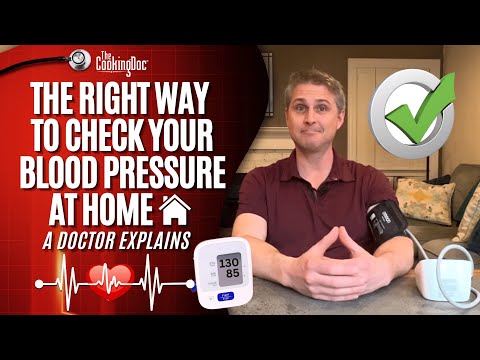
Blood pressure is one of the most fundamental indicators of your cardiovascular health. It is measured as two numbers:
- Systolic pressure (the top number): This measures the pressure in your arteries when your heart beats (contracts).
- Diastolic pressure (the bottom number): This measures the pressure in your arteries when your heart rests between beats. Ideal blood pressure is generally considered to be less than 120/80 mmHg. Consistent readings above this, especially 130/80 mmHg or higher, are often classified as hypertension (high blood pressure). Regular monitoring, both at the doctor's office and at home, is vital for early detection and management.
Cholesterol (LDL, HDL, Triglycerides)
Your cholesterol levels are a critical component of your heart health profile. A lipid panel blood test measures different types of fats (lipids) in your blood:
- Total Cholesterol: This is the overall amount of cholesterol in your blood. Ideally, it should be less than 200 mg/dL.
- LDL (Low-Density Lipoprotein) Cholesterol: Often referred to as "bad" cholesterol because high levels contribute to the buildup of plaque (atherosclerosis) in your arteries, narrowing them and increasing heart disease risk. Lower numbers are better; ideally less than 100 mg/dL, or even below 70 mg/dL for individuals with existing heart disease or diabetes.
- HDL (High-Density Lipoprotein) Cholesterol: Known as "good" cholesterol because it helps remove excess cholesterol from your arteries, transporting it back to the liver for removal from the body, thereby protecting against heart disease. Higher numbers are better; generally, 60 mg/dL or higher is considered protective.
- Triglycerides: Another type of fat in your blood. High levels of triglycerides can also increase your heart disease risk, especially when combined with high LDL cholesterol or low HDL cholesterol. Ideally, levels should be less than 150 mg/dL.
Blood Sugar (Glucose)
Monitoring your blood sugar (glucose) levels is crucial for heart health, particularly for individuals with or at risk of diabetes. Consistently high blood glucose levels over time can severely damage blood vessels and nerves that control the heart, significantly increasing the risk of coronary artery disease, heart attack, and stroke.
- Key Measures: A fasting blood glucose test and the A1C test are common indicators. The A1C test measures your average blood sugar levels over the past 2-3 months. For most healthy adults, a fasting blood sugar below 100 mg/dL and an A1C below 5.7% are considered ideal.
Body Mass Index (BMI)
Body Mass Index (BMI) is a commonly used screening tool to assess body fat based on your height and weight. While not a perfect measure of body fat or health on its own, it provides a useful indicator.
- Healthy Ranges: A healthy BMI is generally between 18.5 and 24.9. A BMI of 25 to 29.9 indicates overweight, and 30 or higher indicates obesity, both of which are strongly linked to an elevated risk of heart disease, high blood pressure, diabetes, and other cardiovascular problems. Maintaining a BMI within the healthy range or working towards it through diet and exercise is a significant step in protecting your heart.
Conclusion The heart is a remarkable and resilient organ, fundamental to every aspect of your health and well-being. While its workload is ceaseless, its health is not entirely predetermined. By understanding its intricate workings and committing to a heart-healthy lifestyle, you possess significant power to protect this vital organ. Embracing a balanced diet, staying physically active, managing stress, avoiding tobacco, maintaining a healthy weight, and regularly monitoring key health numbers are all powerful steps toward a long, healthy life with a strong heart.
Frequently Asked Questions (FAQ)
Q1: What are the main functions of the heart? A1: The heart's primary function is to pump blood throughout the body via the circulatory system, delivering oxygen and nutrients to tissues and organs, and removing carbon dioxide and other waste products. It acts as a dual pump, sending deoxygenated blood to the lungs and oxygenated blood to the rest of the body.
Q2: What are the most common signs of a heart attack? A2: Common signs include chest pain or discomfort (which may feel like pressure, squeezing, or fullness) that can radiate to the arms (especially the left), back, neck, jaw, or stomach. Other symptoms include shortness of breath, a cold sweat, nausea, vomiting, or lightheadedness. Seek immediate medical attention if you experience these symptoms.
Q3: Can heart disease be prevented? A3: Many forms of heart disease are preventable. A healthy lifestyle, including a balanced diet, regular physical activity, maintaining a healthy weight, managing stress, quitting smoking, and controlling conditions like high blood pressure and diabetes, can significantly reduce your risk.
Q4: What is the difference between a heart attack and heart failure? A4: A heart attack (myocardial infarction) occurs when blood flow to a part of the heart muscle is suddenly blocked, causing that part of the muscle to die. Heart failure is a chronic condition where the heart cannot pump enough blood to meet the body's needs, often as a result of damage from conditions like a heart attack, high blood pressure, or CAD.
Q5: How often should I get my heart checked? A5: The American Heart Association recommends that adults aged 20 or older have their cholesterol and other traditional risk factors checked every four to six years if their risk remains low. If you have existing risk factors or heart disease, your healthcare provider may recommend more frequent check-ups and specific screenings. Regular physical exams and discussions with your doctor are important for personalized guidance.
Q6: What is "good" and "bad" cholesterol? A6: LDL (Low-Density Lipoprotein) cholesterol is often called "bad" cholesterol because high levels can lead to plaque buildup in your arteries. HDL (High-Density Lipoprotein) cholesterol is considered "good" cholesterol because it helps remove excess cholesterol from your arteries, protecting against heart disease.
Q7: Can stress truly affect my heart health? A7: Yes, chronic stress can significantly impact your heart health. It can contribute to high blood pressure, raise blood sugar levels, and lead to unhealthy coping mechanisms like overeating, smoking, or inactivity, all of which negatively affect the heart. Managing stress is an important part of a heart-healthy lifestyle.
No Comments Yet
Be the first to comment on this article.